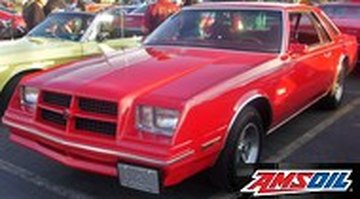
Lubrication Maintenance for the 1981 Chrysler CORDOBA 3.7L
Maintaining the engine lubrication system in a vehicle like the 1981 Chrysler CORDOBA with the 3.7L engine requires consistent attention to fluid condition and component integrity. As vehicles age, the way they manage heat and internal friction becomes increasingly dependent on the quality of the lubricants used and the diligence of the owner during routine inspections.
Monitoring Fluid Integrity and Potential Leaks
One of the most effective ways to monitor the health of the 3.7L engine is through regular visual inspections for fluid seepage. Over time, various gaskets and seals may experience changes in their ability to maintain a tight barrier against internal pressures. When performing routine checks, it is useful to look for any signs of oil residue around the engine block or at connection points.
If you notice wetness or dark staining on the underside of engine components, this can be an indicator that a seal or gasket may require attention. Rather than assuming a specific part has failed, these observations should be treated as a prompt for closer inspection. Additionally, checking the level and clarity of the oil on the dipstick provides immediate feedback regarding the current state of the lubricant. Oil that appears excessively dark, gritty, or contains visible particulates warrants further investigation to determine if the service interval has been exceeded or if there is an underlying issue affecting the fluid's stability.
Observing Operational Warning Signs
Beyond visual inspections of the engine bay, the way the vehicle operates during driving can provide significant clues regarding its lubrication needs. Owners should remain attentive to any changes in how the engine sounds or behaves. For instance, unusual mechanical noises that occur specifically during startup or while the engine is idling may be associated with the lubrication state.
It is also important to monitor for any unexpected odors or exhaust characteristics. While many factors can contribute to a change in exhaust appearance or scent, these changes should never be ignored. If you notice an unusual smell or see evidence of smoke that was not previously present, it may indicate that oil is contacting hot surfaces or being processed through the combustion cycle in an irregular manner. Because symptoms like these can have multiple underlying causes—ranging from simple seal seepage to more complex internal issues—they should be investigated by a professional to ensure an accurate diagnosis.
Prioritizing Long-Term Engine Care
For owners of a 1981 Chrysler CORDOBA, effective maintenance is often about moving from reactive repairs to proactive monitoring. As the vehicle enters higher stages of its service life, establishing a clear baseline of its current condition is essential. If you do not have a complete history of previous repairs and fluid changes, your first priority should be to document the current state of all major service items.
A practical approach involves:
- Reviewing Service Records: Attempt to compile any available documentation regarding past oil changes, filter replacements, and mechanical repairs. This helps identify patterns in maintenance or potential areas of concern.
- Condition-Based Inspection: Rather than following a rigid schedule based solely on the age of the vehicle, prioritize inspections based on what you actually see. If a component shows signs of wear or aging, address it before it leads to a more significant issue.
- Monitoring Consumption: Keep a close eye on whether the engine requires more frequent top-offs than usual. A sudden increase in lubricant consumption is a clear signal that the lubrication system's integrity should be evaluated.
By focusing on these areas, you can distinguish between necessary preventive maintenance and unnecessary parts replacement, ensuring that resources are directed toward the most impactful service tasks.
Managing Aging Engine Components
As a vehicle from the early 1980s continues to operate, certain peripheral components may require more frequent scrutiny. If equipped, accessible drive belts should be inspected for signs of deterioration such as cracking, glazing, or fraying. Similarly, if the vehicle is equipped with various rubber hoses, checking them for softness, swelling, or brittleness is a prudent part of any routine service.
Electrical connections and wiring harnesses can also be subject to age-related changes. Ensuring that connectors are clean and free from corrosion helps maintain the reliability of engine sensors and other electrical systems. Furthermore, if the vehicle utilizes an air filtration system, ensuring the filter is clean is vital for preventing contaminants from entering the engine environment, which in turn helps protect the quality of the engine oil.
Effective Lubricant Selection Strategies
When it comes to selecting a replacement lubricant, the goal is to find a product that aligns with the specific needs of the 3.7L engine. While modern technology offers various formulations, including conventional oils, synthetic blends, and full synthetics, the choice should always be guided by the application requirements of your specific vehicle.
Some owners may consider high-mileage oil formulations, which are designed with additives intended for use in aging engines. These formulations often include seal-conditioning agents that may assist in maintaining the flexibility of older gaskets and seals. However, the decision to use a specific type of oil should be based on the information provided for your exact engine configuration rather than general assumptions about vehicle age.
Practical Advice for Buying Engine Oil for your 1981 Chrysler CORDOBA 3.7L
To ensure you are providing the correct lubrication for your engine, always match the oil to the application-specific viscosity and requirements already displayed on this webpage. Before finalizing a purchase, carefully check the product labeling to verify that the oil meets the necessary quality standards and certifications required for your 3.7L Chrysler engine. Avoid making assumptions based on the age of the vehicle or general automotive trends; instead, rely strictly on the technical information provided in the application data above to make an informed decision.